


What actually keeps a stage safe between the big productions - and what quietly lets it slip?
Safety · Explainer
Updated 22 Jun 2026
Safety
Checklist
5 do's and don'ts of theatre safety.
Five habits separate a venue that stays open from one that gets a nasty surprise mid-season. Three to do, two to never skip - the unglamorous routine behind a safe stage.
Inspect annually. Use rated, proper safety gear. Keep current with proven safety technology.
Don't neglect crew training. Don't let the maintenance checklist lapse.
Catch problems early and the show keeps moving. Miss them and the cost lands mid-season.
Safety is not the thing you do before an audit. It is the habit that means the audit was never going to be a problem.
Three to do. Two to never skip.
None of this is exotic. The venues that stay open and incident-free are not the ones with the newest kit - they are the ones with the steadiest habits. Five of them carry most of the load.
The three cards below are the do's. The two don'ts get their own section further down, and the table lays out all five together. The point is not fear - it is that an inspector, an insurer and a falling load all care about the same handful of basics, so it pays to keep them.
Inspect annually
An annual third-party inspection is required by manufacturers and the governing body, and it catches problems early - before a failure costs you a season.
Why
Required, and it avoids the hidden cost of a mid-season failure.
Standard
Where maker guidance is unclear, work to the Australian Standard.
TSA
Venue Systems Health Check.
Use rated gear
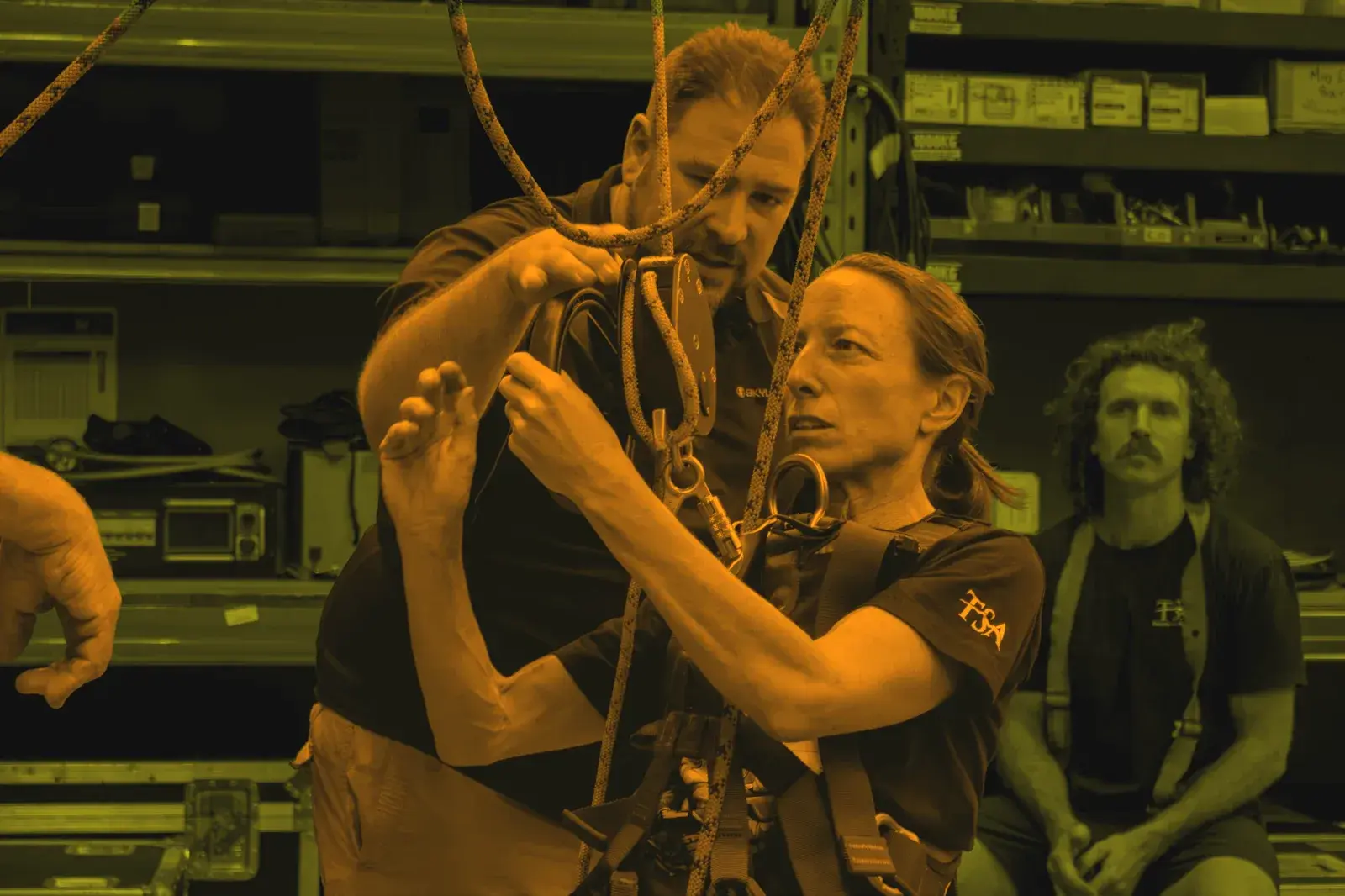
From rated lifting items to rescue kit for work at height, the right gear is critical. High-visibility clothing and helmets are basics in high-risk areas.
Covers
Rated lifting items, rescue kit, hi-vis and helmets.
Why
The difference between a near-miss and an incident.
Note
Rated means marked and certified, not just sturdy.
Use proven tech
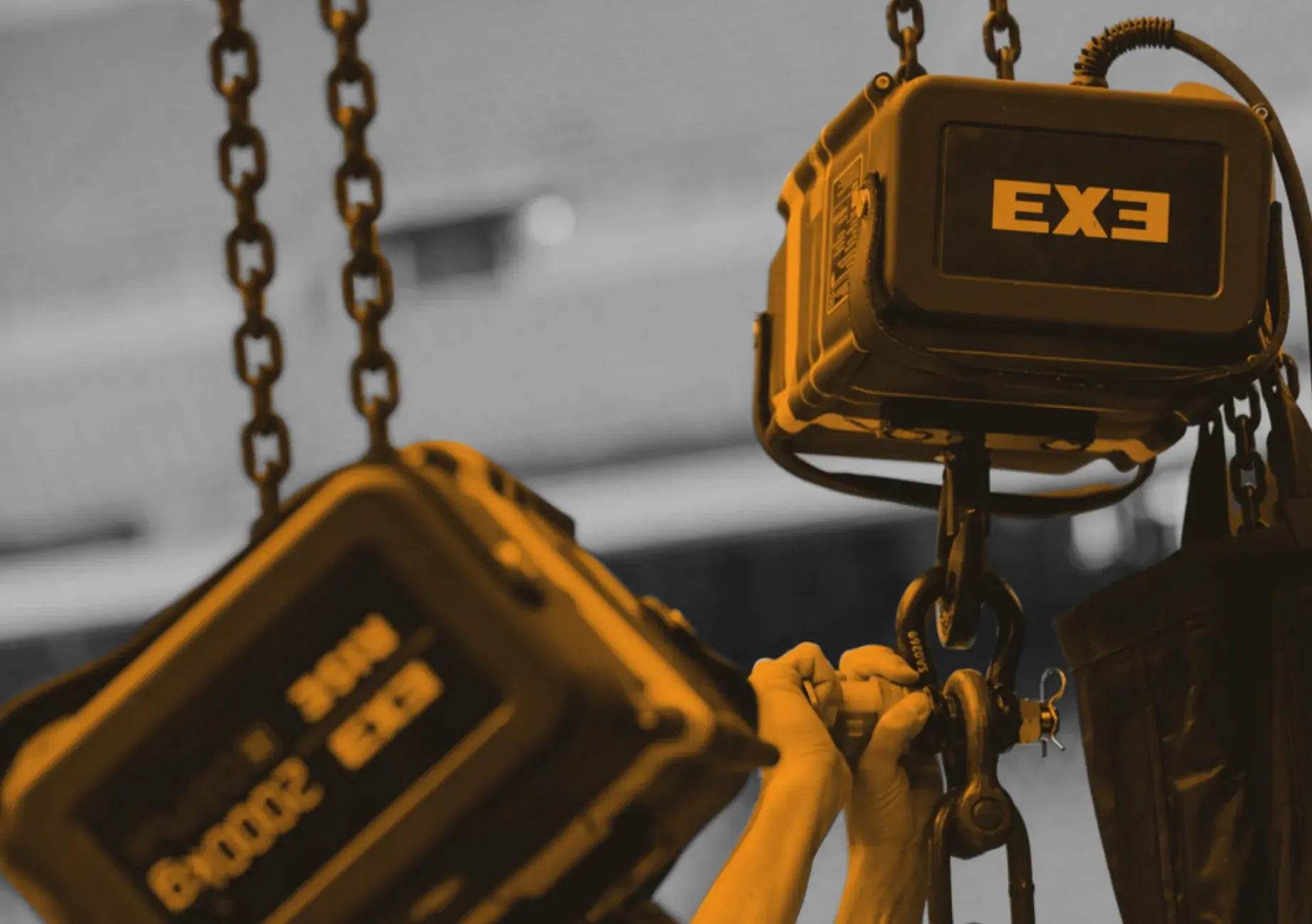
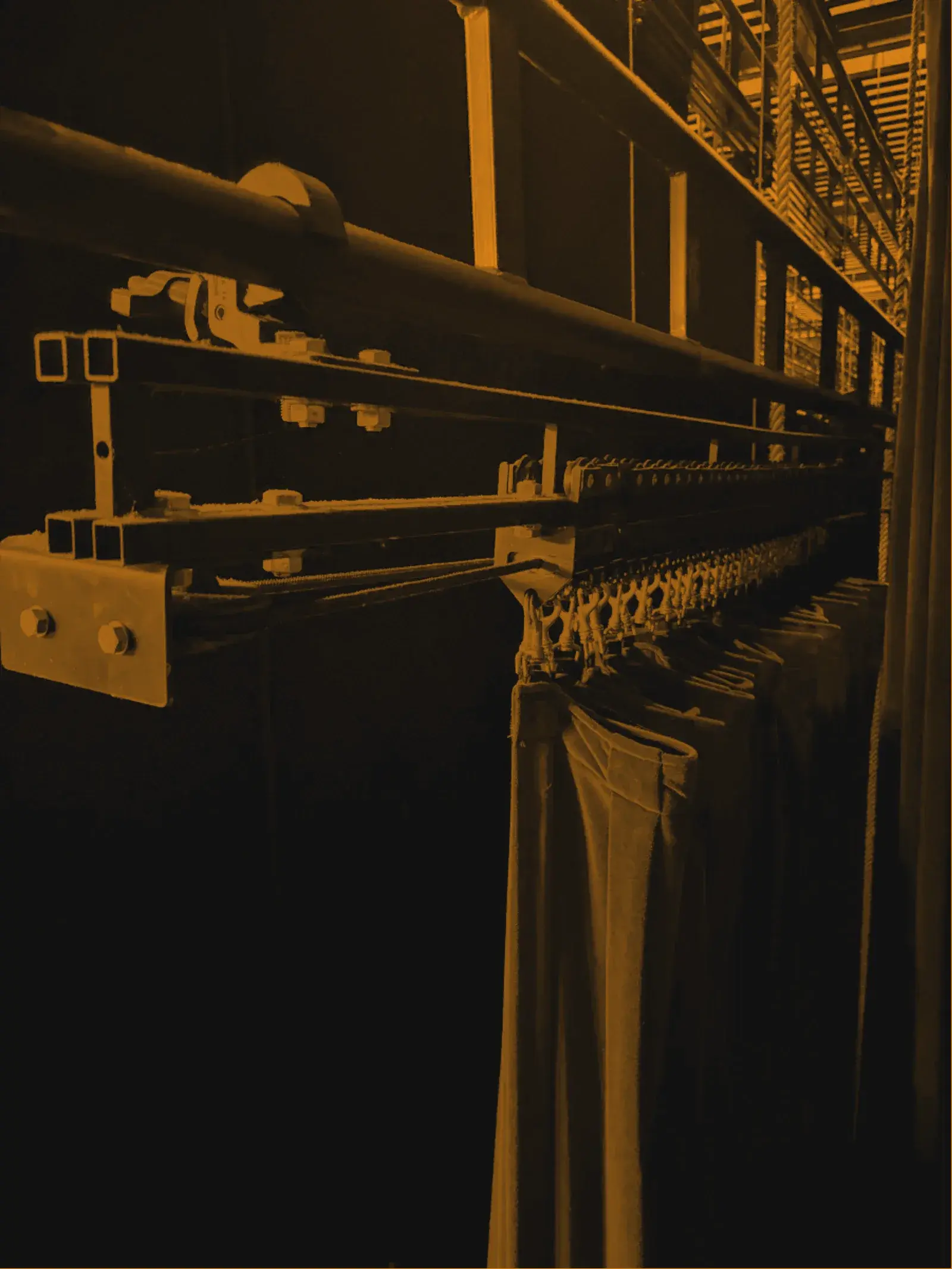
Stay current with proven safety technology - built-in load cells on modern hoists, improved control systems. It enhances efficiency and gives crew and audience peace of mind.
Example
In-built load cells on modern hoists.
Why
Efficiency plus monitored, real-time safety.
Note
The test is proven, not just new.
| Habit | Do / don't | Why it matters |
|---|---|---|
| Annual inspections | Do | Required; catches faults early and avoids hidden costs |
| Crew training | Don't neglect | Untrained staff miss safety issues a trained eye catches |
| Proper safety equipment | Do | Rated gear, rescue kit, hi-vis and helmets where it counts |
| Maintenance checklist | Don't forget | A living to-do list keeps a venue audit-ready |
| Proven technology | Do embrace | Load cells and modern controls add monitored safety |
Annual inspections are not optional.
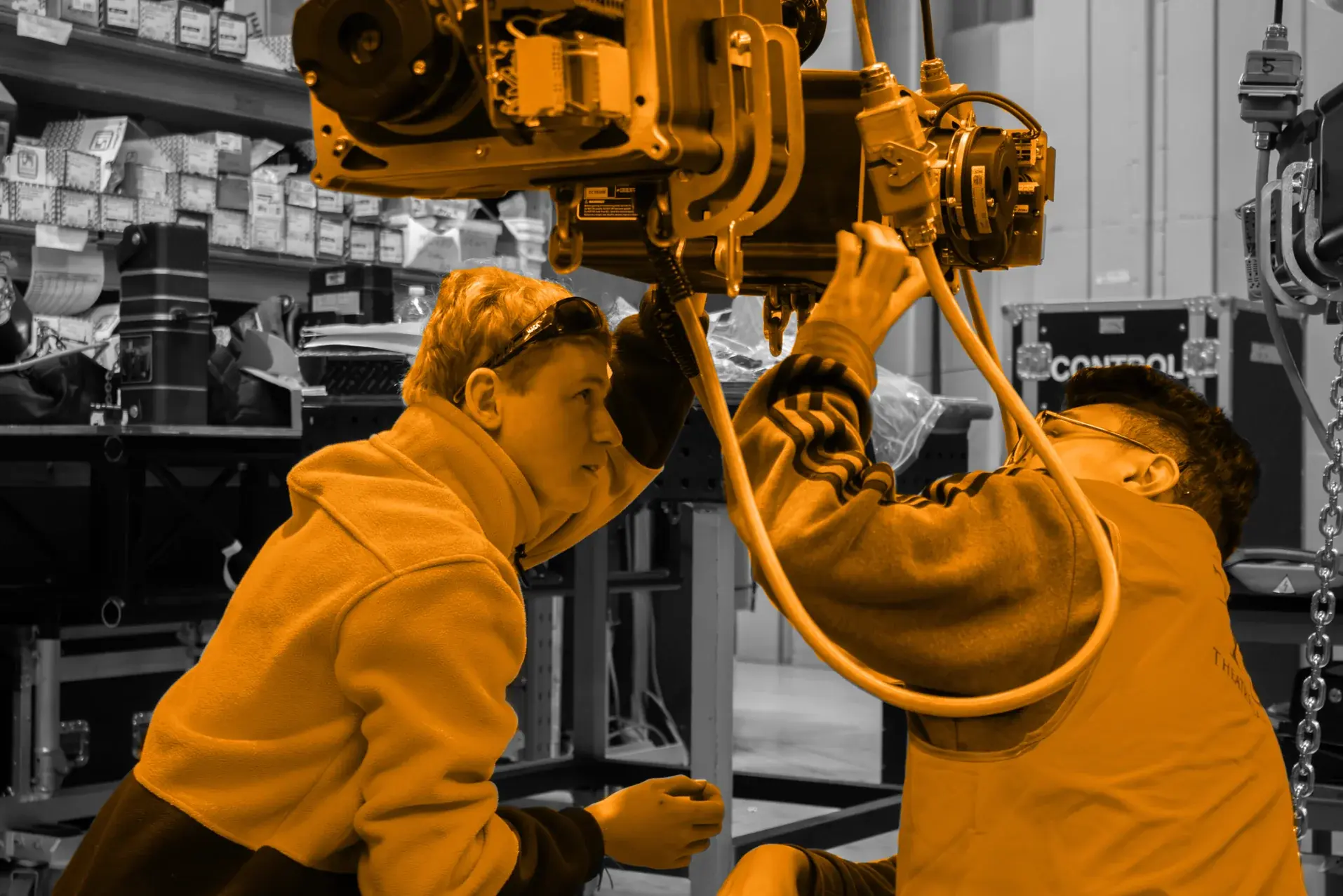
If you do one thing on this list, make it the annual inspection. It is required by both the equipment manufacturers and your local governing body, and where a manufacturer's guidance is unclear, the fallback is the relevant Australian Standard.
The real value is not the certificate - it is catching a worn rope lock, a fatigued sling or a drifting brake before it fails. A problem found in an inspection is a line item. The same problem found mid-show is a cancelled performance, or worse.
An annual third-party inspection keeps your productions moving and stands as the due-diligence record an insurer asks for. It is the cheapest insurance a venue buys.
Don't let these two slip.
The do's are visible. The don'ts are quiet - they fail by omission, which is exactly why they get skipped:
- Don't neglect training. Untrained staff miss the issues a trained eye catches. Designate safety leaders, train the team on emergency procedures, and keep everyone aware of the risks. A well-trained team is a safer theatre - and the training has to survive staff turnover, which means documented, not tribal.
- Don't forget the maintenance checklist. A living servicing to-do list, updated and actioned with the team, keeps the venue in top condition and makes inspections stress-free. The checklist is what turns "we should look at that" into "that was done in March".
Both don'ts share a root: they depend on a system, not a hero. The venue that relies on one person remembering everything is one staff absence away from a gap. Write it down, share it, action it.
Embrace the tech that's proven.
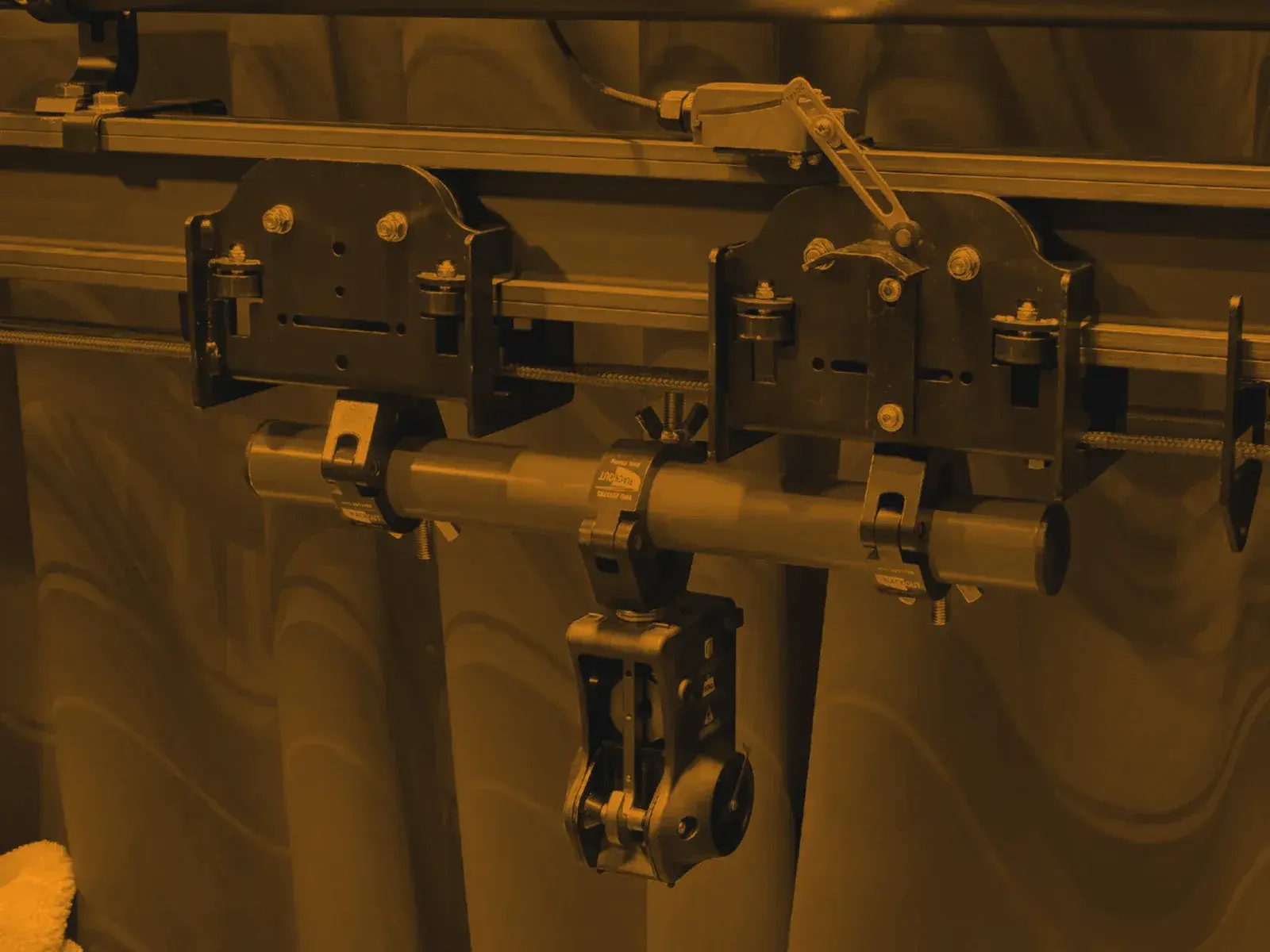
The last do looks forward. Stay current with proven safety technology - the operative word being proven. Built-in load cells on modern hoists, for example, monitor the actual load in real time, so an overload shows up as a number, not as a failure.
Modern control systems, live load monitoring and improved interlocks do not replace the other four habits - they make them easier to keep. The crew works inside designed limits, and the audience sits under a rig that is watching itself.
Not every new gadget earns a place on a stage. The test is the same as for everything else: is it rated, is it proven, and does it make the venue measurably safer? If yes, it belongs.
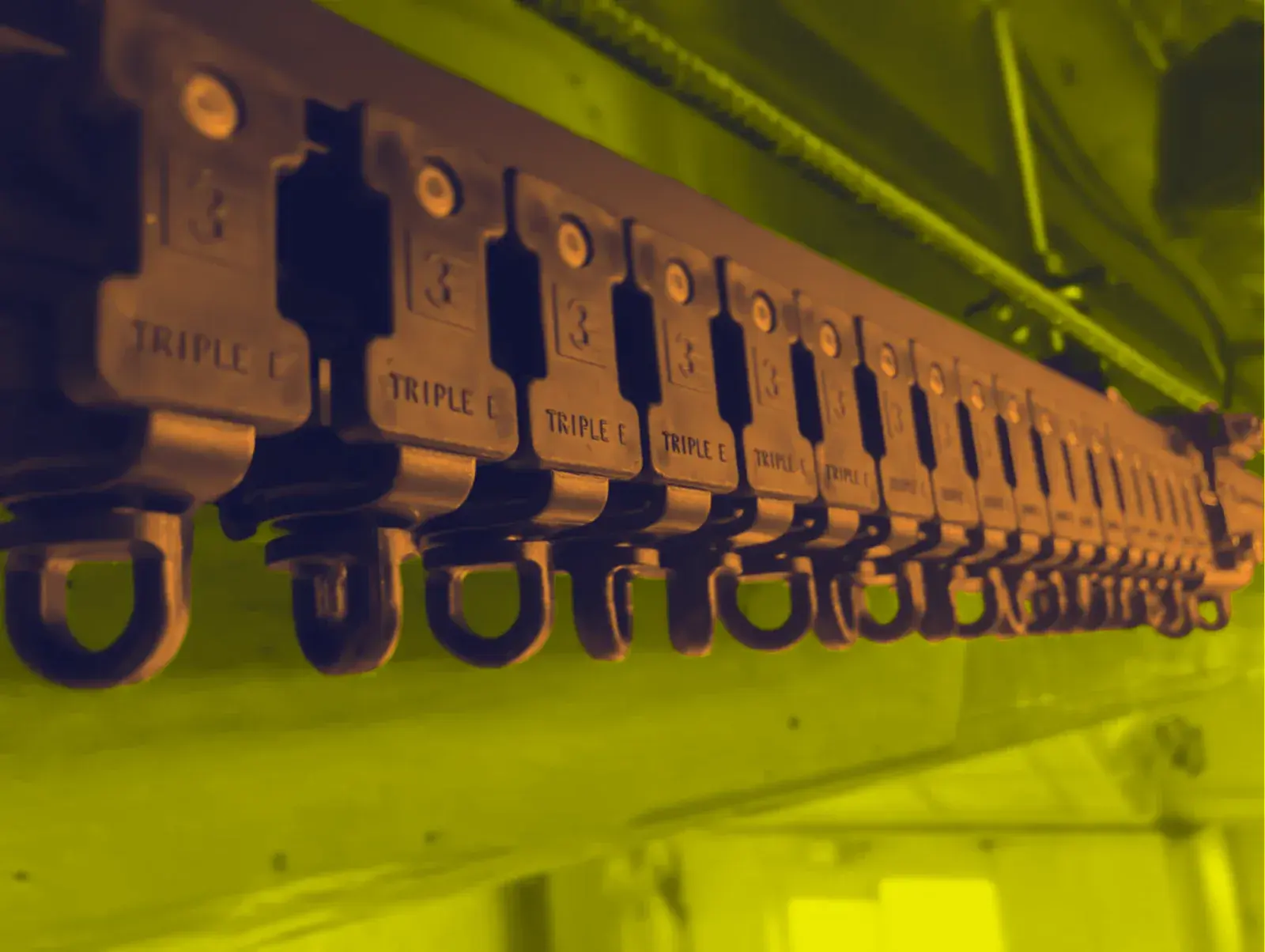
We take the guesswork out of the list.
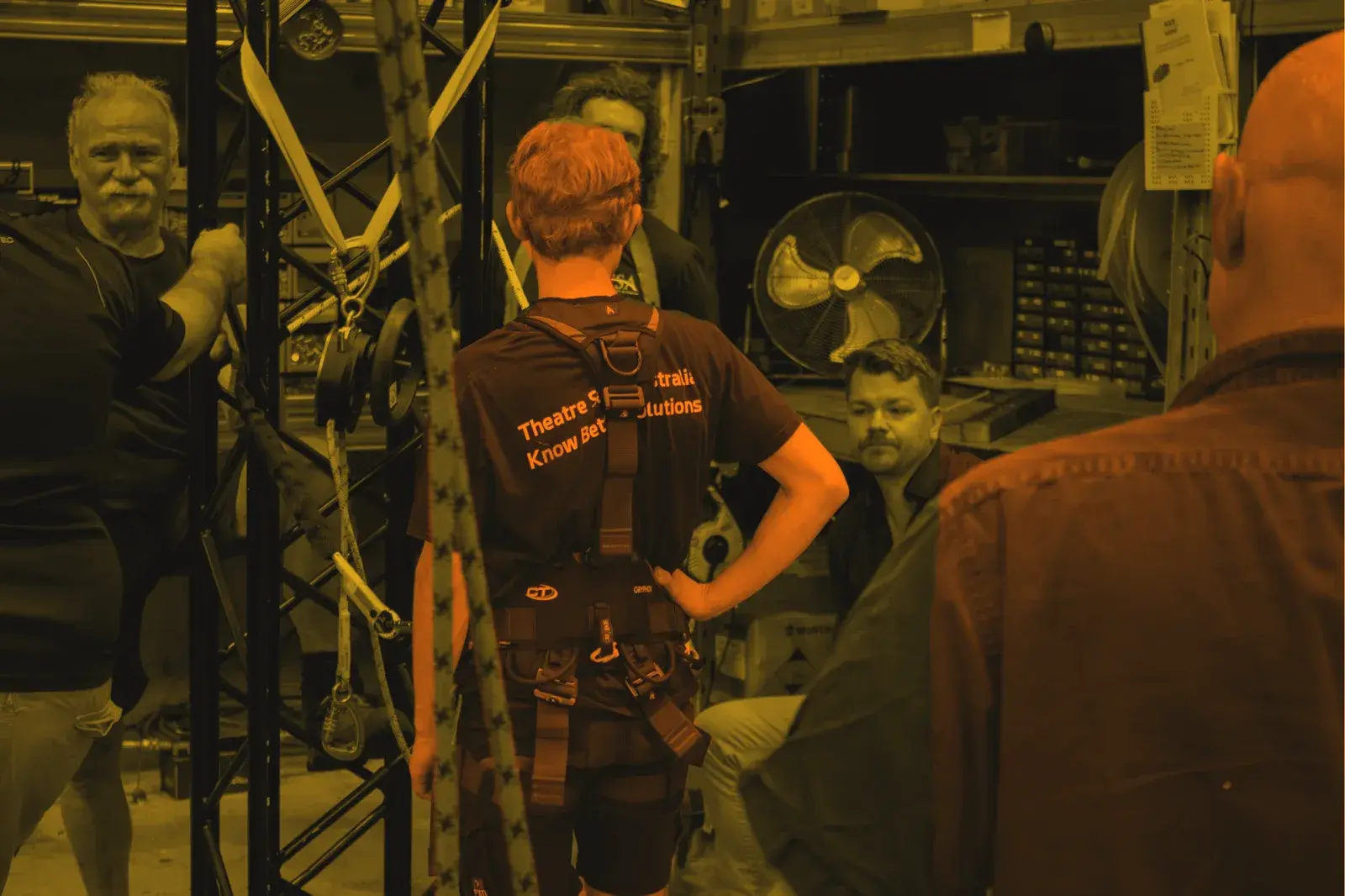
TSA's service team builds all five habits into one relationship. The annual inspection, the load test, the test-and-tag, the maintenance schedule and the operator training come as a programme, not a scramble - with the documentation that proves it to an insurer or an auditor.
Our maintenance checks include the hundreds of small tasks most teams never think about, and we hand back a clear servicing list you can action between visits. It ties back to our Service and Inspection Programme.
We've got the list. You've got the show.
Want the safety list off your plate?
Book the team
Check your venue
Book a Systems Health Check.
One visit covers the inspection, the load test, the test-and-tag and a maintenance list you can action - with documented proof for your insurer. Australia wide.
Book the checkVenue Readiness Scorecard.
A two-minute self-check on where your venue's safety habits actually stand - and what to fix first.
Open the scorecard